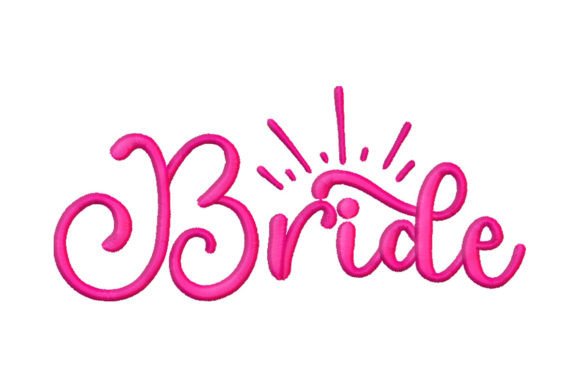
Bride Embroidery Design Review for Small Business Merch
As an embroidery designer who has spent years digitizing files and consulting with small business owners, I approach every new machine embroidery design with a critical eye. It is not just about whether a motif looks pretty on a screen; it is about how it performs in the real world of commercial production. Recently, I evaluated the Bride design, a piece categorized under Wedding Designs that promises versatility for t-shirts and decor. For shop owners, Etsy sellers, and apparel decorators, understanding the practical application of this file is crucial before adding it to your library of design assets.
First Impressions: Visual Personality and Brand Fit
The initial impression of the Bride design is one of elegance mixed with approachability. Based on the description, which highlights its suitability for future brides and wedding gifts, the aesthetic leans toward the romantic and celebratory. However, from a branding perspective, this does not limit its use strictly to nuptial events. The visual language suggests a style that can be interpreted as premium, handmade, or playful depending on the thread choices and placement.
For a boutique owner or a creative studio, this design offers a soft, inviting energy. It feels less like a rigid corporate logo and more like a signature mark that adds personality. When reviewing such a piece, I look for balance. Does it feel cluttered? Is it too delicate? The Bride design appears to strike a chord that works well for businesses aiming to project warmth and attention to detail. This makes it an excellent candidate for brands that rely on emotional connection, such as florists, bakeries, or handmade product lines.
Real-World Applications for Small Business Merch
The true test of any digital embroidery file is its adaptability across various products. Here is how I envision the Bride design performing in a commercial setting:
- Embroidered Patches: This is perhaps the most versatile application. A well-digitized version of this design can serve as a standalone patch for tote bags or jackets. Patches allow customers to buy a low-cost entry point into your brand while showcasing high-quality craftsmanship.
- Staff Uniforms and Aprons: For bridal shops, boutiques, or event planning firms, embroidering this design on apron pockets or chest areas adds a layer of professionalism. It signals to clients that the staff is part of a cohesive, branded team.
- Cap Embroidery: Placing the design on the front or side of a cap requires careful scaling. If the design elements are distinct, it can become a trendy accessory for casual wear, appealing to a younger demographic looking for custom apparel.
- Tote Bag Design: Canvas totes are a staple for eco-conscious brands. The Bride motif, when scaled correctly, can act as a central focal point, turning a simple bag into a desirable handmade product or promotional gift.
- Customer Gifts and Event Merch: Beyond direct sales, this design is perfect for value-added services. Imagine including a small embroidered item as a thank-you gift for high-ticket purchases. It enhances customer trust and encourages social sharing.
Navigating Technical Challenges and Placement
While the aesthetic appeal is strong, technical execution is where many small businesses stumble. When using the Bride design for commercial embroidery, you must consider the physical constraints of the medium. Not every surface is forgiving, and not every size is viable.
One area requiring caution is small patch sizes. If the design includes fine details or tiny lettering, shrinking it too much can cause the stitches to merge, resulting in a blob rather than a clear image. Always check the stitch density recommendations provided with the file. High density on small items like cap fronts can lead to puckering, especially if the fabric is thin or stretchy.
Curved surfaces, such as the crown of a hat or the sleeve of a shirt, also present challenges. The design must be tested to ensure it does not distort when hooped. Additionally, dark uniforms require careful selection of thread colors. A light-colored design on a black apron needs sufficient contrast and potentially an underlay stitch to prevent the background fabric from showing through. Always consider the fabric texture; textured materials like terry cloth or heavy denim may swallow up fine details, necessitating a bolder version of the design.
Impact on Brand Identity and Customer Perception
Consistency is key to building brand identity. Using a cohesive design like Bride across multiple touchpoints—from packaging accents to staff apparel—creates a recognizable visual language. When customers see the same high-quality embroidery on a tote bag, a shirt, and a patch, it reinforces the perception of quality and reliability.
This consistency drives buyer engagement. In the crowded marketplace of Etsy and online retail, professional presentation sets you apart. A well-executed embroidered item feels tangible and valuable. It transforms a simple transaction into an experience. For handmade brands, this tactile quality is a major selling point. It justifies higher price points and fosters loyalty, as customers associate the brand with durability and care.
Practical Notes for the Embroidery Designer
Before running a full production batch, I recommend a rigorous testing protocol. Treat the Bride design as a prototype until proven otherwise. Here are my essential steps for ensuring success:
- Test in Black and White First: Remove color from the equation to evaluate the structure. If the design lacks clarity in monochrome, it will likely struggle in color too. This helps identify issues with spacing and outline definition.
- Check Scalability: Resize the design to your intended smallest application, such as a small patch or pocket logo. Inspect it closely for lost details. If it becomes illegible, you may need to simplify or choose a different placement.
- Review Thread Color Contrast: Select threads that pop against your base fabric. Use a color wheel or digital tool to preview combinations. Remember that screen colors differ from physical thread shades.
- Confirm Hoop Size and Stabilizer: Ensure the design fits within your machine’s hoop capabilities without excessive re-hooping, which can cause misalignment. Choose the right stabilizer for your fabric type—cut-away for stretchy knits, tear-away for stable wovens.
- Create a Printable Mockup: Before stitching, generate a printable mockup to show clients or stakeholders. This saves time and material costs by allowing for approval on the visual layout before production begins.
- Verify Commercial Licensing: This is critical. The product description mentions it comes with multi-format files, but always read the specific license terms. Confirm that you have the rights to use the embroidery file for finished products intended for sale. Never assume; always verify.
In conclusion, the Bride design offers significant potential for small business merchandise when handled with technical precision. It bridges the gap between decorative art and functional branding. By respecting the limitations of fabric and machinery, and by leveraging its aesthetic strengths, you can create standout items that elevate your brand. Whether used for apron embroidery, custom caps, or branded patches, this design can be a valuable asset in your portfolio. Just remember to test thoroughly, respect the licensing, and let the quality of your stitch work speak for your business.