Gingermen FSL-5x7: A Designer’s Review for Boutique Sweatshirts
As an embroidery designer who has spent years refining digitizing techniques for commercial apparel, I approach every new machine embroidery design with a critical eye. It is not just about whether the file stitches out; it is about how that design translates into a tangible, sellable product. Recently, I evaluated the Gingermen FSL-5x7 for a potential inclusion in a limited-edition holiday sweatshirt drop for a small boutique brand. The goal was simple: determine if this free-standing lace motif could elevate a standard garment into a premium, high-value item.
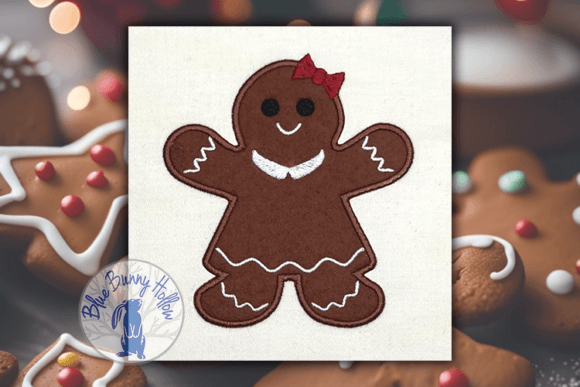
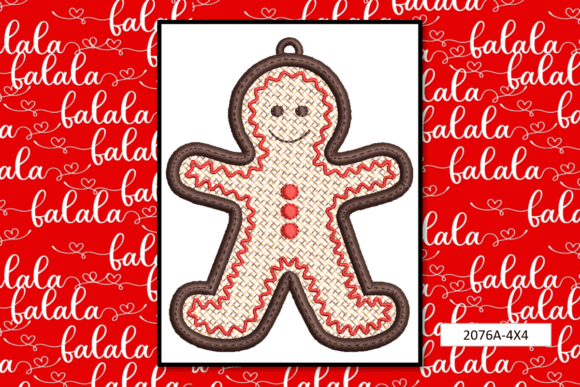
The first impression of the Gingermen FSL-5x7 is undeniably charming. In a market saturated with generic holiday graphics, this design offers a tactile dimension that flat printing simply cannot achieve. The description notes that this gingerbread man is FSL free standing lace and includes mylar to give him a metallic, shiny appearance. From a design perspective, the integration of mylar is a strategic choice. It catches the light, adding a subtle luxury feel that appeals to buyers looking for something beyond basic cotton thread. He is quite adorable and always smiles back when you look at him, which instantly creates an emotional connection—a crucial factor for Etsy seller success and customer engagement.
Visual Impact on Premium Apparel
When considering how this embroidery file performs on actual garments, context is everything. For a boutique brand, the fabric choice dictates the presentation. On neutral sweatshirts, such as heather grey or oatmeal, the metallic sheen of the mylar provides a sophisticated contrast. It feels rustic yet refined, perfect for customers who prefer understated holiday decor. Conversely, placing the Gingermen FSL-5x7 on dark fabric, like navy or charcoal, allows the metallic elements to pop dramatically. This bold approach works well for statement pieces intended for festive parties or casual gatherings.
I also tested the visual balance on pastel colors. Here, the design takes on a softer, more playful character. It feels feminine and delicate, appealing to a demographic that enjoys cozy, seasonal apparel without aggressive branding. For oversized hoodies, the placement becomes critical. A chest placement keeps the design intimate and personal, while a sleeve accent adds a unique, custom touch that distinguishes the garment from mass-produced retail options. The key is ensuring the hoop size aligns with the garment’s proportions so the design does not look lost or overwhelming.
Technical Considerations for Commercial Use
Transitioning from aesthetic appeal to technical execution, several factors must be addressed to ensure the finished product meets professional standards. Since these guys stitch out quickly, production efficiency is a major advantage for small shop product lines where time is money. However, speed should never compromise quality. The stitch density of free-standing lace requires precise tension settings. If the density is too low, the lace may feel flimsy; if too high, it can become stiff and uncomfortable against the skin.
Fabric texture plays a significant role in how the FSL element adheres or attaches to the sweatshirt. Because this is a standalone lace piece, it typically needs to be tacked down or appliqued onto the garment. This requires careful consideration of the stabilizer used during the initial hooping process. A cut-away stabilizer is often recommended for sweatshirts to provide lasting support, especially since fleece and heavy cotton blends have significant stretch. Without proper stabilization, the embroidery may pucker over time, damaging the perceived value of the custom apparel.
Another concern is washing durability. Free-standing lace can be delicate if not secured properly. For a commercial embroidery project, I recommend testing multiple wash cycles to ensure the mylar does not fray and the lace structure remains intact. Buyers trust brands that deliver longevity, and a design that falls apart after one wash will harm your brand identity and lead to negative reviews.
Enhancing Brand Value and Presentation
Beyond the stitching, the Gingermen FSL-5x7 serves as a powerful tool for marketing and design assets. In lifestyle product photography, the metallic shine of the mylar reflects light beautifully, creating dynamic images that stand out in social media feeds. For online listings, using a printable mockup can help visualize the design on various colors, but nothing replaces the real thing. The tactile nature of FSL invites customers to imagine the feel of the garment, increasing conversion rates.
For digital embroidery file sellers, this design offers versatility. It can be marketed not just for sweatshirts, but for tote bags, ornaments, or card embellishments. This expands the target audience from apparel decorators to general crafters. However, always remind your customers to check specific details like exact stitch count and license terms before production, as these vary by designer. Ensuring your clients have the right information builds trust and positions you as a reliable resource in the embroidery community.
- Thread Color Contrast: Choose threads that complement the metallic mylar rather than compete with it. Warm browns and creams enhance the gingerbread theme.
- Hoop Placement: Ensure the 5x7 area is centered correctly on the garment to maintain symmetry, especially on chest placements.
- Readability: While the design is adorable, ensure the details are clear enough to be recognized from a distance, maintaining its impact as a decorative element.
Final Verdict for Holiday Collections
The Gingermen FSL-5x7 is more than just a cute holiday motif; it is a strategic asset for any handmade product line aiming for higher price points. Its combination of quick stitching time and premium visual appeal makes it ideal for Christmas collections where deadlines are tight but quality cannot be sacrificed. Whether used for a hoodie design or a unique accessory, it brings a level of craftsmanship that resonates with buyers seeking authentic, high-quality goods.
By carefully managing the technical aspects of sweatshirt embroidery, from stabilizer choice to thread selection, you can transform this digital file into a best-selling physical product. It supports visual recognition by offering a distinct look that separates your brand from competitors using standard prints. Ultimately, the success of this design lies in its ability to blend traditional holiday warmth with modern embroidery techniques, creating a piece that customers are proud to wear and gift.