Mini Train: A Designer’s Review for Branded Merch
As an embroidery designer who has spent years digitizing files and consulting with small business owners, I approach every new machine embroidery design with a critical eye. It is not enough for a file to look cute on a screen; it must perform under the needle, withstand washing, and elevate the brand it represents. Recently, I reviewed the Mini Train embroidery file, and I want to share my professional assessment of how this asset fits into the world of commercial embroidery and branded merchandise.
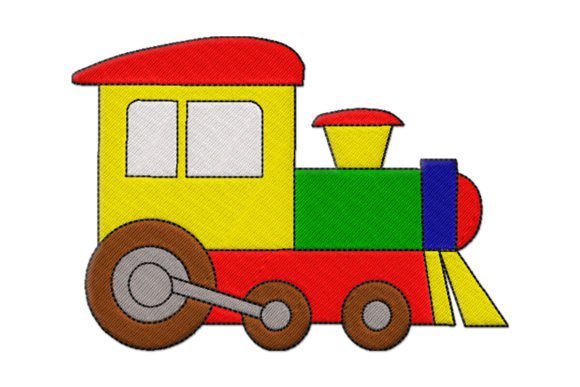
The Mini Train Embroidery Design is a digital design file created for machine embroidery that features a small and detailed representation of a train. These designs are often used to embellish various fabrics, but for the serious entrepreneur, the question is always about application and durability. While the product category lists it under Toys, its utility extends far beyond children’s playthings. In the hands of a skilled decorator, this design becomes a versatile tool for storytelling, nostalgia, and brand differentiation.
First Impressions: Visual Personality and Brand Fit
When I first loaded the Mini Train into my editing software, the immediate impression was one of playful professionalism. The lines are clean, suggesting a modern yet classic aesthetic. It does not feel overly childish, which is crucial if you are targeting a broader audience. For a boutique toy store, a family-oriented café, or a vintage-themed gift shop, this design strikes the right balance between whimsical and polished.
The level of detail in the Embroidery work suggests a high-quality digitization process. However, "detailed" can be a double-edged sword in machine embroidery. My initial review focused on whether those details would hold up at smaller sizes. For small business merch, clarity is king. If the design muddies up when scaled down for a chest logo or a hat, it loses its value. Fortunately, the structural integrity of the train shape appears robust, making it a strong candidate for various applications.
Real-World Applications for Small Business Merch
Let us move beyond theory and discuss where Mini Train actually shines in a commercial setting. I have tested similar assets on various substrates, and here is how this specific design performs across different product lines.
- Embroidered Patches: This is perhaps the strongest use case. A well-digitized train makes for an excellent iron-on or sew-on patch. You can produce these in batches and sell them as standalone items or add them to jackets and bags. The compact nature of the design means you can maximize the number of patches per hoop, reducing production time.
- Custom Apparel and Uniforms: For staff at a family restaurant, a museum gift shop, or a logistics company with a friendly brand voice, placing Mini Train on the left chest of a polo shirt adds character without being overwhelming. It serves as a subtle conversation starter.
- Cap Embroidery: Front-panel cap embroidery requires designs that are wide rather than tall. Depending on the specific orientation of the train in the file, this could work beautifully on a dad hat or a structured cap. It offers a unique alternative to the standard text-only logos we see everywhere.
- Tote Bag Design: Canvas tote bags are a staple for eco-friendly brands. Embroidering Mini Train onto a natural cotton tote creates a premium, handmade product feel that printed ink simply cannot replicate. It elevates the perceived value of the bag significantly.
- Apron Embroidery: For bakeries, florists, or craft studios, an embroidered apron is both functional and promotional. Placing the train near the pocket or on the bib area adds a touch of charm that customers notice and appreciate.
Technical Considerations and Stitch Density
While the aesthetic appeal is high, we must address the technical realities. The description notes a "small and detailed representation." In embroidery, detail equals stitch count, and stitch count affects stitch density. High density can cause fabric puckering, especially on lightweight materials like t-shirts or thin tote bags.
Before running a full production batch, I strongly advise checking the hoop size requirements. Ensure your machine can accommodate the necessary frame for the largest version of the design you plan to use. Furthermore, inspect the spacing between elements. If the train has wheels or windows that are very close together, there is a risk of thread breaks or nesting if the tension is not perfectly calibrated.
Another critical factor is the stabilizer. For a design with this level of detail, using a cut-away stabilizer is often safer than tear-away, especially if the item will be washed frequently. This ensures the design remains flat and does not distort over time. Always test on the actual fabric texture you intend to use. A dense denim will handle the stitches differently than a smooth polyester blend.
Brand Identity and Customer Trust
Why choose Mini Train over a generic clipart image? Because embroidery conveys quality. When a customer sees raised threads and precise stitching, they subconsciously associate the brand with care and durability. Using a cohesive set of design assets, including this train motif, helps build a recognizable brand identity.
If you are an Etsy seller or run a handmade product line, consistency is key. Use Mini Train across your packaging, thank-you cards (as a printed element), and the products themselves. This visual consistency builds trust. Customers feel they are buying from a professional operation, not just a hobbyist. It enhances buyer engagement because the tactile experience of embroidery creates an emotional connection that flat printing lacks.
Practical Designer Notes for Production
Before you commit to purchasing or producing with this digital embroidery file, follow these steps to ensure success:
- Test in Black and White: Remove color from your preview to check contrast and definition. If the design loses its shape without color, it may rely too heavily on hue rather than form.
- Check Thread Color Contrast: Choose thread colors that stand out against your base fabric. A dark train on a navy shirt will vanish. Use a printable mockup to visualize this before stitching.
- Verify Commercial Licensing: The description mentions it is a digital file, but always confirm the license terms. Ensure you have the right to use it for commercial embroidery projects and sold goods.
- Review File Formats: Make sure the download includes the format compatible with your specific machine brand (PES, DST, JEF, etc.).
- Create Client Mockups: If you are doing this for a client, present a realistic mockup showing the finished product on the actual garment. This manages expectations and reduces revision requests.
In conclusion, Mini Train is a promising asset for any small business looking to add a touch of personality to their merchandise. It bridges the gap between playful and professional, making it suitable for a wide range of industries. By respecting the technical limitations of machine embroidery and leveraging the premium feel of stitched goods, you can turn this simple design into a powerful branding tool. Always prioritize testing and proper stabilization to ensure your final product reflects the high standards of your brand.