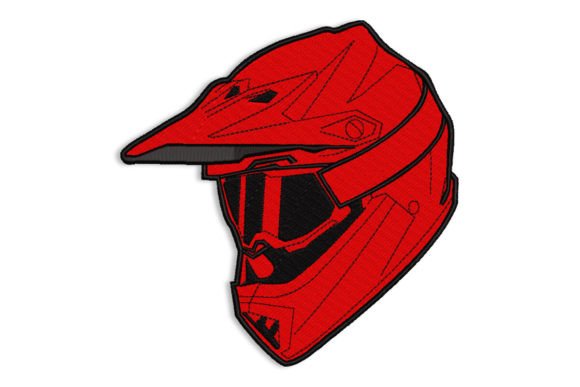
Motocross Helmet: A Designer’s Review for Brand Merch
As an embroidery designer who has spent years digitizing files for small businesses, I approach every new machine embroidery design with a critical eye. It is not just about whether the image looks good on a screen; it is about how it translates to thread, fabric, and ultimately, the customer’s perception of a brand. Today, I am reviewing the Motocross Helmet design, a piece categorized under Transportation that promises versatility for t-shirts, bags, and home decor. For boutique owners and merch creators, understanding the practical application of this embroidery file is crucial before adding it to your commercial library.
First Impressions and Visual Personality
The first thing that strikes me about the Motocross Helmet design is its bold, energetic presence. It does not attempt to be subtle or minimalist. Instead, it leans into a dynamic, action-oriented aesthetic that feels modern and playful. For brands in the lifestyle, outdoor, or automotive sectors, this visual personality is a strong asset. It communicates speed, protection, and adventure.
However, for a handmade product seller or a creative studio, the challenge lies in balancing this boldness with elegance. The design works best when positioned as a statement piece rather than a delicate accent. It feels premium when executed with high-quality thread, but it can look cluttered if the stitch density is too high for the chosen fabric. As a reviewer, I see this as a design that demands confidence in placement.
Real-World Applications for Small Business Merch
When evaluating a design for small business merch, I always ask: where does this live on a product? The Motocross Helmet offers several viable pathways for branded goods.
- Embroidered Patches: This is perhaps the strongest use case. A helmet design translates beautifully to an iron-on or sew-on patch. It allows customers to add a rugged touch to denim jackets or backpacks without committing to permanent embroidery on the garment itself.
- Cap Embroidery: Placing this design on the front panel of a trucker hat or baseball cap can create a striking look. However, due to the curved surface, the design must be scaled correctly to avoid distortion.
- Tote Bag Design: For bookstores, cafes, or eco-brands, stitching this onto a canvas tote adds a unique, unexpected twist. It moves the bag from a simple utility item to a fashion statement.
- Staff Uniforms and Aprons: Imagine a motorcycle repair shop or an extreme sports café using this on their staff apron embroidery. It reinforces brand identity and creates a cohesive, professional look that customers trust.
For Etsy sellers and crafters, this design can also serve as a focal point for framed artwork or home decor items, appealing to bikers and racing enthusiasts looking for personalized gifts. The key is to market it not just as a picture of a helmet, but as a symbol of the lifestyle your brand represents.
Technical Considerations and Production Challenges
While the aesthetic appeal is clear, the technical execution of the Motocross Helmet requires careful attention. As a designer, I advise testing this digital embroidery file rigorously before offering it as a custom apparel option.
Stitch Density and Fabric Texture
Helmet designs often involve smooth curves and shaded areas. If the stitch density is too high, it can cause puckering, especially on lighter fabrics like cotton t-shirts. Conversely, if the density is too low, the underlying fabric may show through, ruining the finished product. Always test on the actual fabric texture you plan to sell. For textured materials like canvas or denim, the design holds up well, but for smooth synthetics, you may need additional support.
Hoop Size and Stabilizer
Confirm the recommended hoop size before starting. A design that is too large for a standard 4x4 hoop may require re-digitizing or resizing, which can affect detail clarity. Using the correct stabilizer is non-negotiable. For caps and curved surfaces, a stiff cut-away stabilizer is essential to maintain the shape of the helmet design during and after stitching.
Thread Colors and Contrast
The impact of this design relies heavily on thread colors. A monotone approach might lose the depth of the helmet’s features. I recommend using contrasting shades to highlight the visor and shell details. However, avoid using too many color changes if you are producing high-volume orders, as this increases production time and cost.
Brand Identity and Customer Trust
Incorporating the Motocross Helmet into your product line does more than add decoration; it shapes your brand identity. For a business targeting a rugged, adventurous demographic, this design signals that you understand your audience. It builds recognition and trust because the merchandise feels authentic to the niche.
When customers see a well-executed embroidered helmet on a high-quality tote or jacket, they perceive higher value. It elevates the item from a generic promotional product to a desirable handmade product. This perception is vital for increasing price points and improving buyer engagement. A professional-looking printable mockup showing the design in situ can further enhance this perceived value during the online shopping experience.
Practical Designer Notes for Commercial Use
Before you launch this design in your shop, follow these steps to ensure quality and compliance:
- Test in Black and White: Remove color variables to check if the shape and spacing hold up. If the design loses definition without color, it may need adjustment.
- Check Small Patch Sizes: Scale the design down to 2 inches. Does it become a blob of thread? If so, it is not suitable for small labels or chest logos.
- Inspect Spacing: Look for jumps or dense clusters that could cause thread breaks. Smooth out any problematic areas in your software.
- Create Client Mockups: Use design assets to show potential clients how the helmet looks on different items. Visual proof helps close sales.
- Verify Licensing: Ensure the license terms allow for commercial embroidery. Never assume a file is free for resale. Check if there are limits on the number of physical items you can produce.
Since the product description does not specify exact stitch counts or file formats, you must verify these details with the provider. Knowing whether you are getting DST, PES, or EXP files will determine compatibility with your machines.
Final Verdict
The Motocross Helmet is a versatile and impactful addition to any embroidery library focused on lifestyle and transportation themes. It performs exceptionally well as a patch or on sturdy items like caps and tote bags. While it requires careful technical handling regarding density and stabilizer choice, the payoff in brand reinforcement and product value is significant. For small business owners willing to invest in proper testing and presentation, this design can become a staple in their finished product lineup, driving both sales and brand loyalty.