Cute Ice Cream: A Designer’s Review for Real Stitching
As an embroidery designer who has spent countless hours digitizing, testing, and stitching out thousands of files, I have developed a keen eye for what works in the real world. We often browse digital marketplaces looking for that perfect machine embroidery design, but the preview image rarely tells the whole story. Today, I am taking a close look at Cute Ice Cream, a whimsical addition to the Food category that promises to embellish fabrics with charm. My goal here is not just to describe it, but to evaluate how it performs when the needle hits the fabric, specifically for those of us running craft businesses, Etsy shops, or creating personalized gifts.
First Impressions and Visual Personality
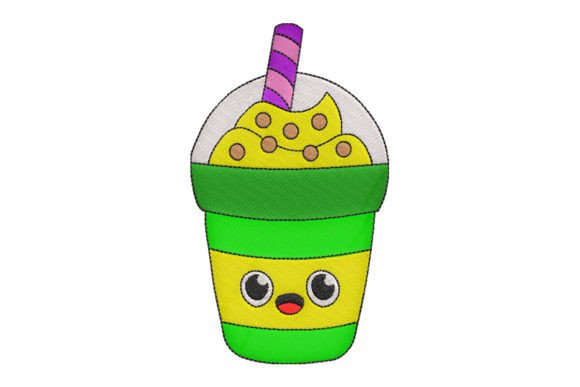
The first thing that strikes me about Cute Ice Cream is its approachable mood. It does not try to be hyper-realistic; instead, it leans into a stylized, playful aesthetic that fits perfectly within the current trend of cozy, handmade decor. The layout feels balanced, avoiding the clutter that often plagues complex food-themed designs. For an embroidery project, this simplicity is a strength. It suggests that the design will stitch out cleanly without requiring excessive thread breaks or complicated color changes that can frustrate both the machine and the operator.
When I visualize this on a product, I immediately think of summer collections, birthday gifts, or nursery decor. The visual personality is light-hearted, which makes it an excellent candidate for items meant to evoke joy. However, as a professional, I look beyond the cute factor. I examine the potential for satin stitch borders versus fill stitch areas. If the ice cream scoops rely heavily on dense fill stitches, we need to consider fabric stability. If they use clever running stitches or lighter fills, the design becomes versatile enough for thinner materials like baby clothes or lightweight tote bags.
Real-World Application Scenarios
To truly understand the value of an embroidery file, we must place it in context. Imagine you are preparing a custom order for a local boutique. They want a line of kitchen towels that feel fresh and inviting. Cute Ice Cream would sit beautifully on a waffle-weave tea towel, adding a pop of color without overwhelming the texture. Because the design is described as suitable for home decor, it likely scales well, but I would still recommend testing it at various sizes to ensure the details remain crisp.
Consider another scenario: a small shop owner creating a summer capsule collection for children. This design could serve as the centerpiece for a sweatshirt embroidery project. Placed on the left chest or as a larger back print, it transforms a basic garment into a personalized gift that parents love. The whimsical nature of the ice cream theme appeals to a broad demographic, from toddlers to adults who appreciate nostalgic, fun aesthetics. For an Etsy seller, this versatility is crucial. It allows you to market the same digital asset across multiple niches, from baby embroidery onesies to adult aprons.
I also see potential in accessory markets. An embroidered patch featuring this design could be a bestseller at craft fairs. Patches allow customers to customize their own denim jackets or backpacks, extending the life of the design beyond a single stitched item. Furthermore, for those selling digital embroidery file bundles, including a food-themed design like this adds variety to your catalog, attracting buyers who specialize in kitchenware or party decor.
Technical Considerations and Fabric Choices
While the aesthetic is charming, practical execution requires attention to detail. One of the primary concerns with any food-themed machine embroidery design is stitch density. Ice cream cones often involve textured patterns or solid fills. If the stitch density is too high, it can cause puckering, especially on stretchy fabrics like jersey knits used for t-shirts. Therefore, using the correct stabilizer is non-negotiable. For knit fabrics, I always recommend a cut-away stabilizer to provide long-term support, whereas a tear-away might suffice for stable woven cottons used in pillow covers or tote bags.
Fabric texture also plays a significant role. On a plush towel, the finer details of the design might get lost in the pile. In such cases, ensuring that the outline is bold enough to stand out is key. Conversely, on smooth sateen or polished cotton, the sheen of the thread can enhance the thread colors, making the ice cream look vibrant and appetizing. When working with dark fabrics, remember that the design’s visibility depends on contrast. If the original file uses pastel threads, it may disappear on navy or black material unless you adjust the color palette in your software or add a white underlay.
Curved surfaces present another challenge. If you plan to stitch Cute Ice Cream on a cap or a rounded pillow, the hoop size and placement become critical. Distortion can occur if the design is too large for the curvature of the item. Always test on a scrap piece of the actual garment first. This step saves time and prevents ruining expensive blanks. Additionally, check if the design includes small text or intricate corners. Tiny details can merge together if the needle size is too large or if the tension is not properly calibrated.
Enhancing Product Value and Brand Consistency
From a business perspective, the right design elevates the perceived value of a handmade product. Cute Ice Cream offers a professional look that can help build customer trust. When buyers see clean, well-digitized stitching, they associate quality with your brand. This is particularly important for commercial embroidery projects where consistency is key. If you are producing a batch of fifty tote bags, each one must look identical. A reliable design minimizes variable outcomes.
Moreover, this design supports brand consistency for shops focused on cheerful, family-friendly goods. It fits seamlessly into a broader collection of design assets that might include other sweets or summer motifs. By using cohesive themes, you create a recognizable style that customers return to. For printable mockup creators, having a high-quality embroidery file allows you to showcase realistic previews, helping online shoppers visualize the finished product before purchasing.
Practical Notes for Designers and Makers
Before you commit to a large production run or list this as a new item in your store, take these practical steps. First, verify the licensing terms. The description mentions it comes with certain files, but always confirm whether commercial use is permitted for physical goods or if there are restrictions on digital resale. Second, inspect the file formats provided. Ensure they are compatible with your specific machine model to avoid conversion errors that can alter stitch paths.
Test the design on different fabric weights. Observe how the applique design elements, if any, interact with the base fabric. Check for thread breaks in dense areas and adjust your machine speed if necessary. Compare the result on light and dark backgrounds to determine if you need to create alternate colorways. Finally, consider the care instructions for the end user. Designs with high stitch counts may require gentle washing to maintain their shape and vibrancy over time.
In conclusion, Cute Ice Cream is a delightful addition to any designer’s library. It balances whimsy with practicality, offering numerous opportunities for creative expression in custom apparel, home decor, and gifts. By understanding its technical requirements and leveraging its visual appeal, you can create products that not only look great but also stand up to the demands of daily use. Whether you are a hobbyist making a holiday gift or a seasoned craft business owner expanding your inventory, this design deserves a spot in your next project lineup.