Love Coffee: A Designer’s Review for Real Embroidery Projects
As an embroidery designer who has spent countless hours digitizing, testing, and stitching out thousands of files, I have learned that not every design is created equal. Some look fantastic on a screen but fail miserably under the needle. Others are technically sound but lack soul. When I first loaded the Love Coffee machine embroidery design into my software, I was looking for that sweet spot between technical reliability and aesthetic charm. This isn’t just about putting thread on fabric; it is about creating a finished product that speaks to the customer.
The concept behind Love Coffee is simple yet universally appealing. In the world of handmade products, coffee-themed items are perennial bestsellers. From morning routine enthusiasts to busy parents needing their caffeine fix, the audience is vast. But does this specific embroidery file hold up in real-world applications? Let’s break it down from the perspective of someone who needs to deliver quality work to clients or sell successful items on Etsy.
First Impressions and Visual Personality
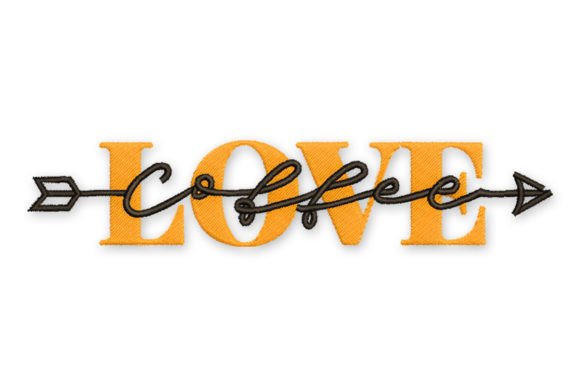
The immediate mood of Love Coffee is whimsical and warm. It avoids the overly complex, dense shading that often causes registration issues on home machines. Instead, it relies on clean lines and balanced spacing. For a designer, this is crucial. A cluttered design can look messy on textured fabrics like terry cloth towels or waffle-weave aprons. This design feels open enough to let the fabric breathe while still making a statement.
The layout suggests a casual, friendly vibe. It is not stiff or corporate. This makes it ideal for personalized gifts and boutique branding where you want to convey approachability. When I visualize this stitched out, I see it working beautifully on neutral tones—creams, soft grays, and muted pastels. The visual personality fits seamlessly into the current trend of cozy, hygge-inspired home decor.
Real-World Application: The Tote Bag Test
To truly evaluate an embroidery design, you have to imagine it on a physical product. I recently worked on a custom order for a local café wanting branded merchandise. They needed something that looked professional but not too heavy. Love Coffee came to mind immediately for their canvas tote bags.
Canvas is a sturdy fabric, but it can be tricky if the stitch density is too high, causing puckering. Because this design appears to have a moderate density, it sits well on medium-weight canvas without distorting the weave. I imagined using a cut-away stabilizer to ensure longevity, as tote bags take a beating. The result would be a crisp, clear image that survives multiple washes. For an Etsy seller, this translates to fewer returns and higher customer trust.
Beyond totes, consider sweatshirt embroidery. A left-chest placement of this design on a heather gray crewneck creates a subtle, stylish look. It is small enough to be understated but detailed enough to be recognized. This versatility is what makes a digital embroidery file valuable. It is not a one-trick pony; it adapts to various garments and home goods.
Fabric Considerations and Technical Challenges
While Love Coffee is versatile, no design is universal. As a reviewer, I must point out where caution is needed. If you are stitching on thin fabric, such as a lightweight cotton tea towel or a silky pillow cover, you must pay attention to the stitch types involved. If the design utilizes satin stitch for outlines, ensure your tension is perfect to prevent pulling. For fill stitch areas, a proper stabilizer is non-negotiable.
Textured fabrics present another challenge. If you are stitching on a plush bath towel, fine details can get lost in the pile. In such cases, I recommend using a water-soluble topping to keep the stitches on top of the fibers. This ensures that the whimsy and charm mentioned in the product description remain visible and do not sink into the fabric texture.
Dark fabrics require careful thread color selection. A dark navy hoodie will need bright, contrasting thread colors to make the design pop. Always test your thread palette on scrap fabric first. What looks good on your monitor may look muddy on black cotton. I advise running a test stitch-out in black and white mockups to check for contrast issues before committing to your final thread colors.
Commercial Viability and Brand Consistency
For small business owners and craft entrepreneurs, the commercial viability of a design is paramount. Love Coffee fits well into several lucrative niches. It works for holiday embroidery gifts, such as stocking stuffers for coffee lovers, or as part of a larger collection for nursery decor if paired with other whimsical elements. However, its primary strength lies in everyday items.
When building a brand, consistency is key. If your shop focuses on minimalist, modern aesthetics, this design might need to be scaled down to fit that vibe. If your brand is more eclectic and colorful, you can go bolder with thread choices. The design itself is neutral enough to adapt to different brand identities. This flexibility increases its value as a design asset for digital product sellers who offer customization options.
Buyer engagement often hinges on perceived quality. A clean, well-stitched design signals professionalism. Sloppy stitching, caused by poor digitizing or incorrect hoop size selection, signals amateurism. Since Love Coffee seems to prioritize clarity, it helps maintain a high standard of presentation. Whether it is an embroidered patch on a cap or a detailed motif on a pillow cover, the end result should look intentional and polished.
Practical Notes for the Embroiderer
Before you hit the start button on your machine, keep these practical tips in mind:
- Check the Details: Inspect the design at 100% zoom in your software. Look for any tiny running stitch elements that might break easily. If there is small lettering, ensure it is legible at your intended size.
- Hoop Size Matters: Confirm that the design fits comfortably within your hoop. Do not push the limits of the hoop edge, as this can cause framing issues and distortion.
- Stabilizer Selection: Match your stabilizer to your fabric. Use tear-away for stable woven fabrics and cut-away for knits and stretchy materials like sweatshirts.
- Licensing Check: Always verify the license terms provided with the digital embroidery file. Ensure you have the right to use it for commercial purposes if you plan to sell finished products.
- Test Stitch: Never skip the test stitch on scrap fabric. This saves time, thread, and frustration in the long run.
In conclusion, Love Coffee is a solid addition to any embroiderer’s library. It balances charm with technical practicality, making it suitable for a wide range of projects from custom apparel to home decor. By understanding its strengths and respecting its limitations regarding fabric and scale, you can create beautiful, sellable products that resonate with customers. It is not just about stitching a design; it is about crafting an experience that brings joy to the recipient.