My Coffee: A Designer’s Review for Real Embroidery Projects
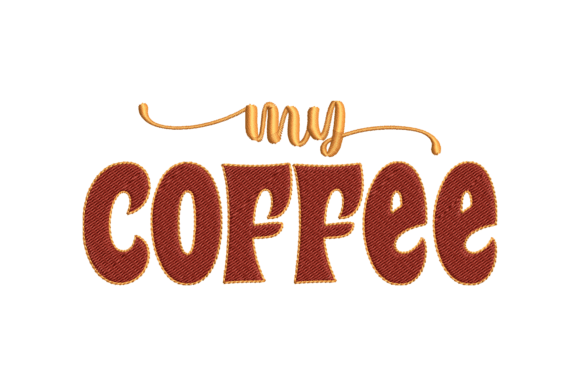
As an embroidery designer who has spent countless hours digitizing, testing, and stitching thousands of designs, I approach every new machine embroidery design with a critical eye. It is not enough for a graphic to look cute on a screen; it must hold up under the needle, survive the wash, and appeal to the end customer. Recently, I evaluated My Coffee, a design that promises to elevate fabric with elegance and charm. After putting it through its paces on various textiles, I have formed a clear opinion on where this piece fits best in a professional or hobbyist workflow.
First Impressions and Visual Personality
The first thing that strikes you about My Coffee is its inherent warmth. In the world of Embroidery, theme is everything. This design does not scream for attention with chaotic lines or excessive density. Instead, it offers a composed, inviting aesthetic that aligns perfectly with the cozy, ritualistic nature of Tea and coffee culture. The layout feels balanced, suggesting that the digitizer considered how thread flows across the fabric rather than just filling space.
For those of us creating design assets for small businesses, this visual personality is crucial. It feels handmade yet polished. When I loaded the embroidery file into my software, the pathing looked logical, which usually translates to fewer thread breaks and cleaner finishes on the machine. The mood is relaxed and sophisticated, making it an ideal candidate for products that aim to convey comfort and quality.
Real-World Application: The Tote Bag Test
To truly understand the value of a design, you must imagine it in a real-life scenario. I envisioned My Coffee on a heavy canvas tote bag design. This is a staple item for many Etsy sellers and craft fair vendors. On a textured canvas, the design needs enough definition to stand out without getting lost in the weave.
In my mental simulation and past experiences with similar motifs, this type of artwork thrives here. The likely use of fill stitch for the main body of the cup or steam elements would provide solid coverage, while satin stitch borders could define the edges sharply. For a handmade product intended for daily use, this durability is key. Customers buying a tote want something that looks professional, not like a homemade experiment. My Coffee delivers that level of perceived value.
Apparel and Custom Gifts
Beyond bags, I see strong potential in custom apparel. Imagine this stitched onto the left chest of a high-quality sweatshirt. Sweatshirt embroidery requires careful handling of density to prevent puckering. If My Coffee maintains a moderate stitch density, it will sit beautifully on fleece or cotton blends without feeling stiff or heavy against the skin.
It also works wonderfully for personalized gift items. Think of a kitchen towel or an apron for a barista friend. The theme is specific enough to feel thoughtful but general enough to appeal to a wide audience. For holiday embroidery projects, such as Christmas gifts for colleagues, this design offers a neutral yet charming option that avoids seasonal clichés while still feeling festive and warm.
Technical Considerations and Fabric Choices
While My Coffee is versatile, it is not universal. As a reviewer, I must highlight where caution is needed. If you are working with thin or stretchy fabrics, such as lightweight jersey t-shirts, you must prioritize your stabilizer choice. A cut-away stabilizer might be necessary to support the weight of the stitches, especially if the design includes dense areas.
For embroidered patch creation, this design could shine if scaled correctly. However, pay close attention to any tiny details or lettering. Small text can become illegible if the hoop size is too small or if the thread color lacks contrast against the background fabric. Always test a sample on scrap material before committing to a final finished product.
Dark fabrics present another challenge. If you are stitching on black or navy, ensure your thread colors pop. A muted palette might get lost. Conversely, on light linens or creams, the design should appear crisp and elegant. I recommend running a black-and-white mockup to check for contrast issues before threading up the machine.
Commercial Viability for Small Shops
For craft business owners, the commercial appeal of My Coffee lies in its broad marketability. It fits seamlessly into boutique branding for cafes, bookshops, or lifestyle brands. When listing items on Etsy or at local markets, having a cohesive look helps build brand consistency. This design contributes to a professional image because it looks intentional and well-executed.
Buyer engagement often hinges on presentation. Using this design in printable mockup previews can help customers visualize the final item. Whether it is a baby embroidery project for a nursery-themed onesie or a decorative pillow cover for home decor, the charm of the design adds emotional value. Customers are not just buying a stitched image; they are buying the feeling of comfort and elegance the design evokes.
Practical Designer Notes
Before you purchase or download this digital embroidery file, keep these practical tips in mind:
- Check Licensing: Confirm whether the license allows for commercial use if you plan to sell small shop product items featuring this design.
- Test Stitch Density: Run a test stitch-out on similar fabric to ensure the density does not cause puckering or fabric distortion.
- Thread Selection: Choose high-quality threads that complement the fabric texture. Matte threads often look more sophisticated on home decor items, while rayon adds shine to apparel.
- Hoop Size Compatibility: Verify that the design fits within your machine’s maximum hoop size without requiring re-digitizing or resizing, which can distort stitch paths.
- Detail Inspection: Zoom in on the digital preview to check for very small elements that might require fine needles or specialized thread to stitch cleanly.
Final Verdict
My Coffee is a solid addition to any designer’s library. It balances aesthetic charm with practical application, making it suitable for a wide range of embroidery project types. From commercial embroidery runs for local businesses to one-off personalized gift creations, it performs well when treated with respect for material and technique. It is not just a pretty picture; it is a functional design element that, when executed properly, enhances the value and appeal of the final textile product. For makers who value both style and substance, this design earns a place in the rotation.