Cute Rabbit Letter E: A Designer’s Review for Craft Fairs
As an experienced embroidery designer who spends countless hours digitizing and testing patterns, I approach every new machine embroidery design with a critical eye. It is not just about whether the file runs smoothly; it is about whether the final finished product will stop a shopper in their tracks at a busy weekend market. Today, I am reviewing the Cute Rabbit Letter E, a charming piece that blends playful character art with functional monogramming potential. For those of us running small businesses, finding designs that balance aesthetic appeal with production efficiency is key to maintaining a profitable booth.
First Impressions and Visual Appeal
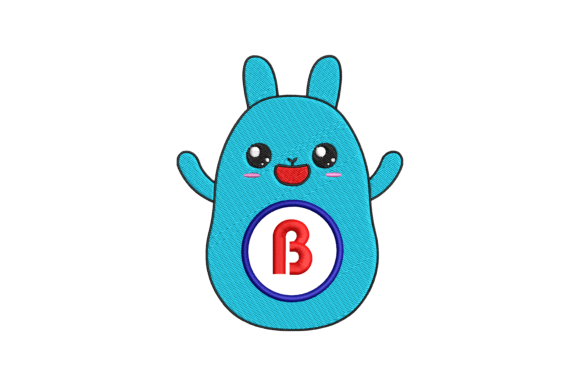
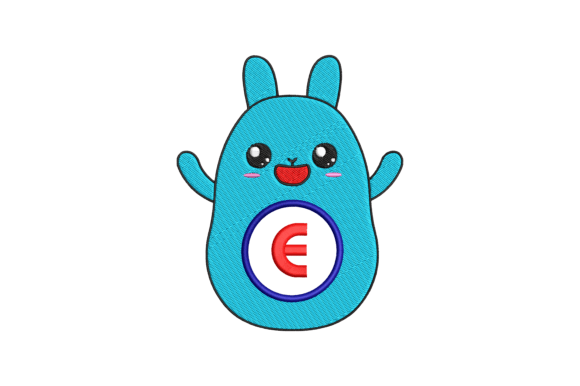
The first thing that strikes me about the Cute Rabbit Letter E is its inherent warmth. While many letter-based designs lean towards strict serif or sans-serif typography, this design integrates a whimsical rabbit motif directly into the structure of the letter. This creates an immediate emotional connection with the viewer. It feels soft, decorative, and undeniably cute without sacrificing legibility. For a craft fair product, this instant recognizability is vital. Shoppers scanning a table of goods need to understand what they are looking at within seconds.
Although the product category is listed under Boys, the universal appeal of bunny motifs means this design transcends gender norms. It works beautifully for nursery decor, children’s clothing, and even pet accessories. The description notes that this embroidery is an art form that can elevate any fabric, adding a touch of elegance and charm. In my experience, "elegance" in this context refers to the clean finish and balanced composition rather than formal stiffness. It offers a personal touch that mass-produced items simply cannot replicate.
Product Versatility for the Handmade Market
When preparing for a craft fair, I always look for designs that can be applied across multiple product lines to maximize my return on investment. The Cute Rabbit Letter E is remarkably versatile. Here is how I envision it performing on various handmade products:
- Tote Bags: This is perhaps the strongest candidate. A large-scale version of this design centered on a canvas tote creates an eye-catching tote bag design that appeals to parents and gift-buyers alike.
- Aprons and Kitchen Textiles: For apron embroidery or tea towel embroidery, the design adds a personalized flair. However, one must be mindful of the fabric texture. Looped towels can distort small details, so testing is essential.
- Embroidered Patches: If the design holds up at smaller sizes, it could be turned into iron-on patches. These are excellent low-cost impulse buys for a booth.
- Caps and Hats: Applying this to curved surfaces requires careful hooping. The rabbit elements must not be too dense, or the cap may pucker.
- Pillow Covers: A central placement on a square pillow cover makes for a high-value item that photographs well for online listings.
For Etsy sellers and digital creators, this design also serves as a strong asset for printable mockups. Showing the design on various backgrounds helps customers visualize the end result, increasing conversion rates for your digital embroidery file.
Production Practicality and Stitch Quality
From a production standpoint, the viability of a design often comes down to stitch density and run time. While I do not have the exact stitch count for this specific file, I advise all crafters to check these details before committing to batch production. A design that is too dense may cause fabric distortion, especially on lighter materials like cotton tea towels or thin t-shirts. Conversely, if the stitch count is too low, the coverage may look sparse and unprofessional.
When evaluating the Cute Rabbit Letter E, pay close attention to the transition points between the letter and the rabbit features. Are there excessive jumps? Do the thread colors blend well, or is there a stark contrast that might highlight imperfections? Using the right stabilizer is non-negotiable here. For stretchy fabrics, a cut-away stabilizer is recommended, while woven fabrics like canvas totes may perform well with tear-away options.
Another critical factor is the hoop size. Ensure that your machine’s hoop can accommodate the full design without resizing, which can alter stitch density and cause breaks. If you are producing these as commercial embroidery items for resale, consistency is key. You want every item to look identical in quality, which requires precise hooping and tension settings.
Strategic Selling and Display Tips
To maximize sales, consider how the Cute Rabbit Letter E fits into your broader brand narrative. If your shop focuses on rustic or farmhouse styles, pair this design with natural linen or muted earth tones. For a more modern boutique feel, use it on crisp white cotton or pastel-colored fabrics. The design’s ability to act as both a focal point and a subtle accent allows for creative flexibility.
Photography plays a massive role in perceived value. When creating listings, ensure the lighting highlights the texture of the stitches. Close-up shots that show the neatness of the satin stitches around the rabbit’s ears or the fill stitches in the letter body build trust with buyers. They want to see that the small shop product is made with care and precision.
Designer Notes for Best Results
Before launching this design into your inventory, follow these practical steps:
- Test on Scrap Fabric: Always run a test stitch-out on the exact fabric type you intend to sell. Check for puckering or thread breaks.
- Check Thread Contrast: Ensure the thread colors chosen provide enough contrast against the fabric background so the rabbit features remain visible.
- Review Spacing: Look at the negative space within the letter E. Is it balanced? Does the rabbit overpower the letter, or vice versa?
- Confirm Licensing: If you are selling finished goods, verify that your purchase of the design assets includes commercial rights. Never assume; always read the license terms provided by the creator.
- Create Mockups: Use digital tools to place the design on various products before stitching. This saves time and material costs during the planning phase.
In conclusion, the Cute Rabbit Letter E is a promising addition to any embroidery portfolio. It combines the personalization trend with the enduring popularity of animal motifs. By paying attention to production details like stabilizer choice and stitch density, and by strategically placing it on high-demand items like tote bags and aprons, you can create a standout craft fair product that resonates with buyers. Whether you are an established Etsy seller or just starting your handmade journey, this design offers the charm and versatility needed to elevate your brand and engage customers.