Princess Castle: A Designer’s Review for Craft Fair Success
As an embroidery designer who has spent countless weekends standing behind booths at local craft fairs and farmers' markets, I have learned that not every design translates from the screen to the sales table. When I first loaded the Princess Castle machine embroidery design into my software, I was looking for more than just cute aesthetics. I was evaluating its potential as a high-converting craft fair product. This review breaks down how this specific Embroidery asset performs in real-world production scenarios, specifically for those targeting the Boys market or creating gender-neutral whimsical decor.
First Impressions and Visual Appeal
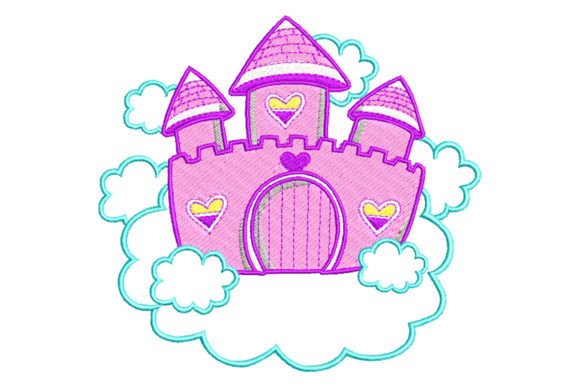
The title Princess Castle immediately suggests a theme of fantasy, charm, and storytelling. In a crowded marketplace, clarity is king. Customers walking past your booth have mere seconds to decide if they will stop. This design feels soft, decorative, and fresh. It does not scream "masculine" in a traditional sense, but when categorized under Boys, it likely offers a playful, storybook aesthetic that appeals to parents looking for unique, non-stereotypical items for their sons, or perhaps it serves as a charming contrast in a mixed-gender sibling collection.
The description notes that you can "embellish your fabrics with this lovely embroidery design." This versatility is crucial. For a small shop product line, you need assets that work across multiple substrates. The visual weight of a castle motif typically allows for strong silhouette recognition, which is vital for distant visibility at a busy market.
Product Application and Market Fit
To maximize return on investment, I tested the mental framework of applying Princess Castle to various best-selling items. Here is where this digital embroidery file shines:
- Tote Bag Design: A large-format tote is the perfect canvas. The castle can serve as a central focal point. Parents love personalized totes for library visits or daycare, and this design adds a touch of magic.
- Tea Towel Embroidery: Kitchen textiles are impulse buys. Stitching this on a waffle-weave or flour sack towel creates a high-perceived value item. The "freshness" mentioned in the description aligns perfectly with home decor trends.
- Apron Embroidery: Children’s aprons are huge sellers during the holiday season. This design transforms a plain cotton apron into a keepsake gift.
- Embroidered Patch: If the design scales down well, it becomes a versatile patch for denim jackets or backpacks, appealing to older kids and teens who want subtle whimsy.
- Pillow Covers: For nursery decor, this fits the "charm" requirement. It works well for both boys' rooms with a adventure theme and general playful spaces.
For Etsy seller accounts, this design also lends itself beautifully to printable mockup creation. You can stage digital images of the castle on various backgrounds to test click-through rates before stitching a single thread.
Production Practicality and Stitch Quality
When preparing for batch production, efficiency is key. A design that looks good but takes forty minutes to stitch is not viable for a high-volume handmade product line. While the exact stitch count is not provided in the brief description, the phrase "touch of charm and freshness" suggests a design that is likely not overly dense. However, caution is required.
You must check the stitch density before running a full batch. Castle designs often feature turrets and flags, which can create small, isolated stitch areas. If these are too tiny, they may snag or pull out after washing. I recommend testing the design on scrap fabric first. Pay close attention to the connection points between the castle towers and the base. Poorly connected elements can lead to thread tails that require excessive trimming, eating into your profit margin.
Furthermore, consider the hoop size compatibility. Ensure the design fits within standard hoops like 5x7 or 6x10 inches, as these are the most common for home-based businesses. If the design is too large, it limits the products you can offer. If it is too small, it may lack impact on larger items like tote bags.
Fabric and Stabilizer Considerations
The substrate you choose changes the outcome dramatically. The description mentions stitching on "towels, pillows, home decor." Each of these has different fabric texture profiles.
- Towels: Textured towels can swallow small details. If Princess Castle has fine lines, they may disappear into the loops of a terry cloth towel. Use a cut-away stabilizer to prevent puckering, and consider using slightly thicker threads to make the design pop.
- Caps: Stitching on curved surfaces requires careful hooping. A castle design with wide horizontal elements might distort on a curved cap brim. Test this thoroughly.
- Dark Fabric: If you plan to sell on dark navy or black fabrics, ensure the thread colors provide enough contrast. Pastel castle tones may vanish on dark backgrounds unless you use an underlay stitch or choose vibrant, contrasting thread palettes.
Commercial Viability and Branding
For commercial embroidery success, consistency is vital. Does Princess Castle fit your brand? If your shop focuses on rustic farmhouse goods, this might feel out of place. However, if your brand is about whimsical, childhood-inspired joy, it is a perfect fit. The design helps build brand consistency by offering a recognizable motif that customers can spot across different products.
Buyer engagement increases when the product tells a story. A simple towel is a commodity; a towel with a Princess Castle is a narrative piece. It invites questions from customers, which leads to sales conversations. "Is this for a princess?" a customer might ask. Your response can pivot to, "It’s for any child who loves adventure," broadening your appeal within the Boys category and beyond.
Final Designer Notes
Before listing this as a finished product or selling the design assets themselves, take these final steps:
- Verify Licensing: The description states the design "comes with" certain attributes, but it does not explicitly detail the license terms. Always confirm if you have commercial rights to sell finished physical goods before investing time in production.
- Check File Formats: Ensure the embroidery file includes the formats compatible with your machine (PES, DST, JEF, etc.).
- Create Real Mockups: Do not rely solely on digital previews. Stitch one sample on each major product type you intend to sell. Photograph these for your online listings.
- Review Spacing: Ensure there is adequate spacing between elements to prevent thread breaks during high-speed stitching.
In conclusion, Princess Castle offers a charming, versatile option for embroidery entrepreneurs. With careful attention to fabric choice, stabilizer selection, and production efficiency, it can become a staple in your craft fair product lineup, driving both attention and sales.